South Korea travel tips, answered in plain English for American travelers — visas, money, trains, apps, swimming rules and what to pack, with prices in dollars.
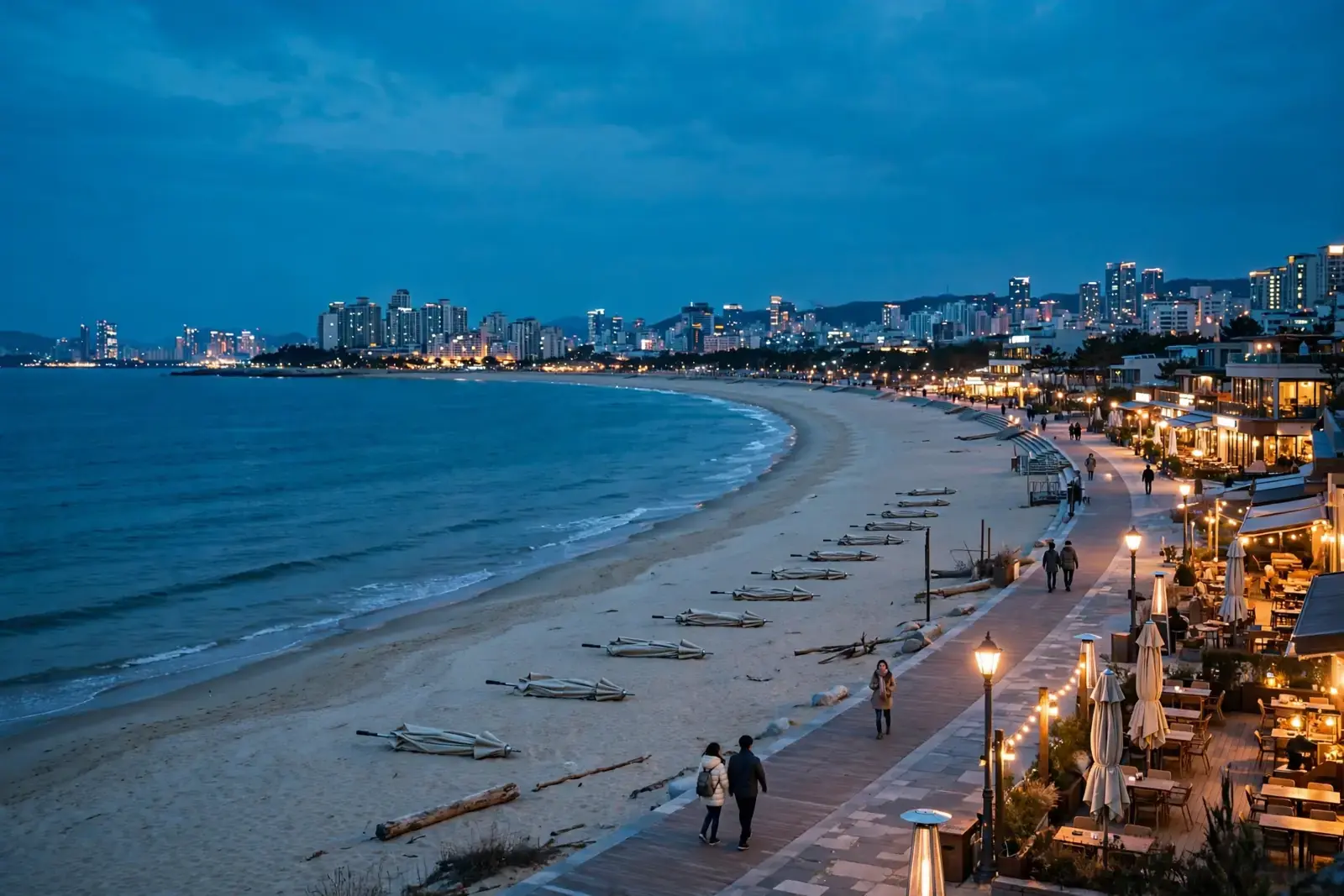
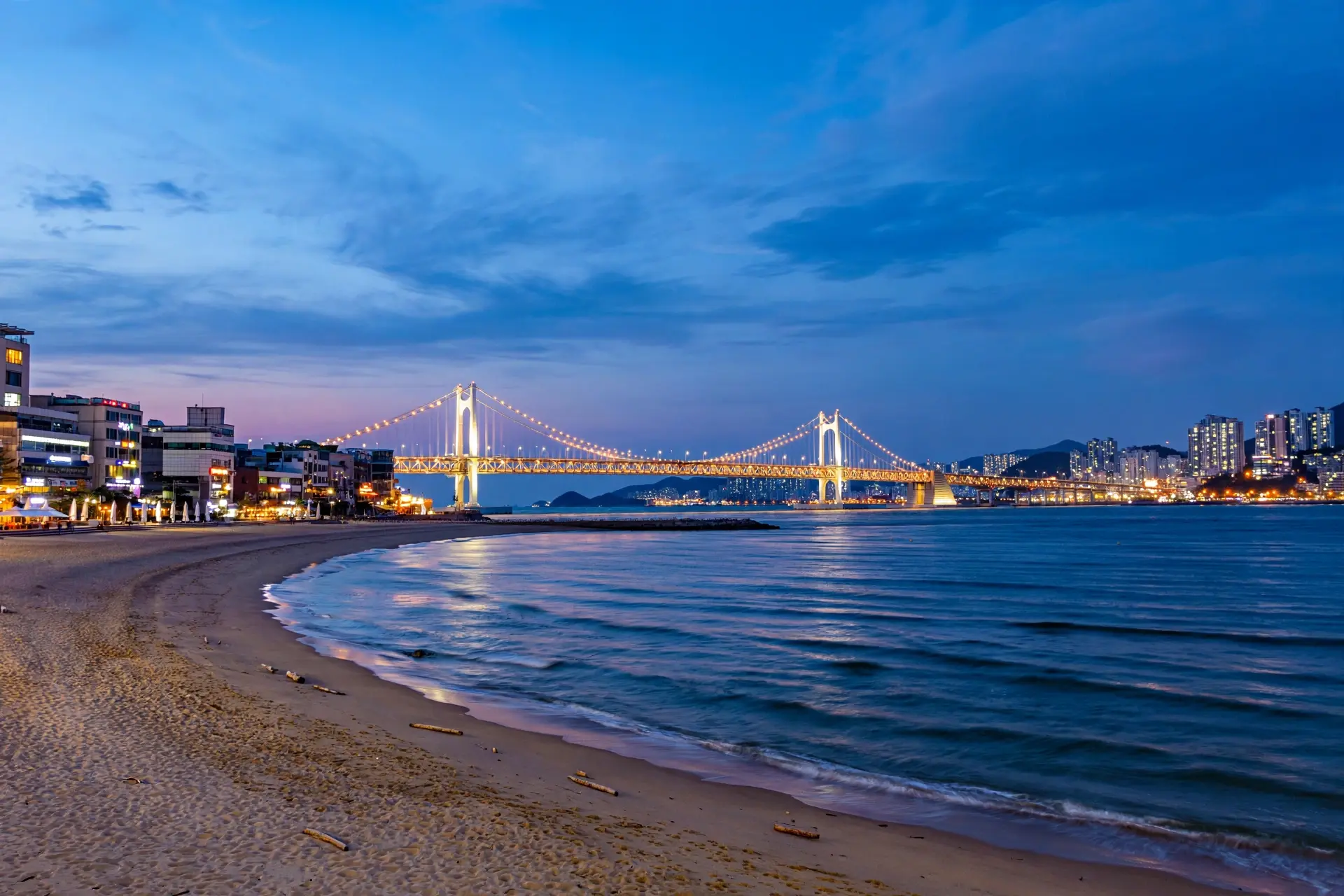
A South Korean beach promenade at twilight, with folded parasols, cafe lights and a couple strolling beside the sea
The short answers, up front. The detail sections below go deeper on each one.
Question 1
US passport holders visit visa-free for short stays. K-ETA rules have changed more than once — always check the official K-ETA site before you book.
Question 2
KTX fast trains reach Busan in about 2.5 hours; Jeju is a 1-hour flight. Local buses and subways cover the last stretch.
Question 3
Most beaches officially open from early July to late August, with lifeguards and swim zones. Outside those dates you can walk the sand, but swimming may be closed.
Question 4
Cards work almost everywhere. Carry some Korean won for markets, food stalls and topping up your transit card.
Question 5
Swim inside the flagged zones when lifeguards are on duty, and watch for jellyfish warnings in late summer.
Bonus
Only partly — walking directions are limited in Korea. Naver Map is what locals use, and it works in English.
Pick a topic and jump straight to the tips that matter for your trip.
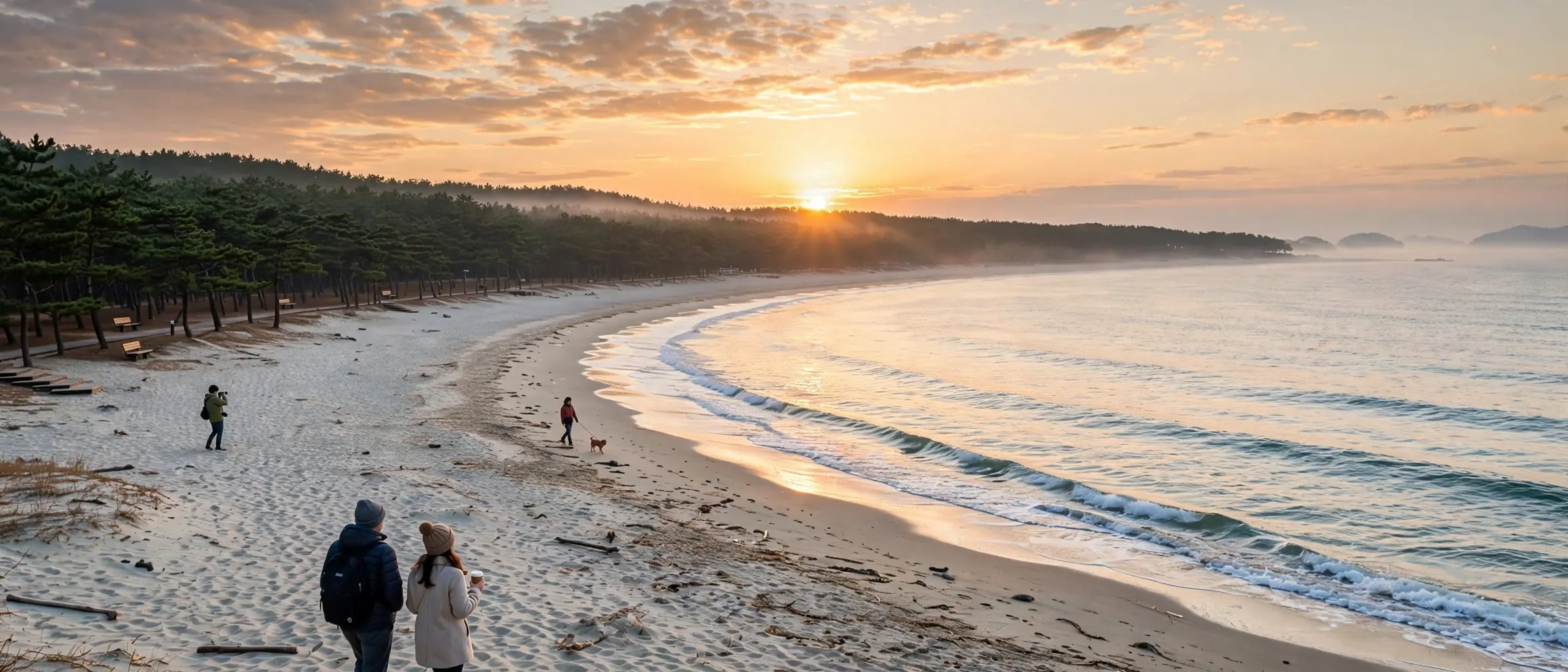
KTX trains, Jeju flights, the T-money card and airport trains — explained simply.
Read the tips ↓
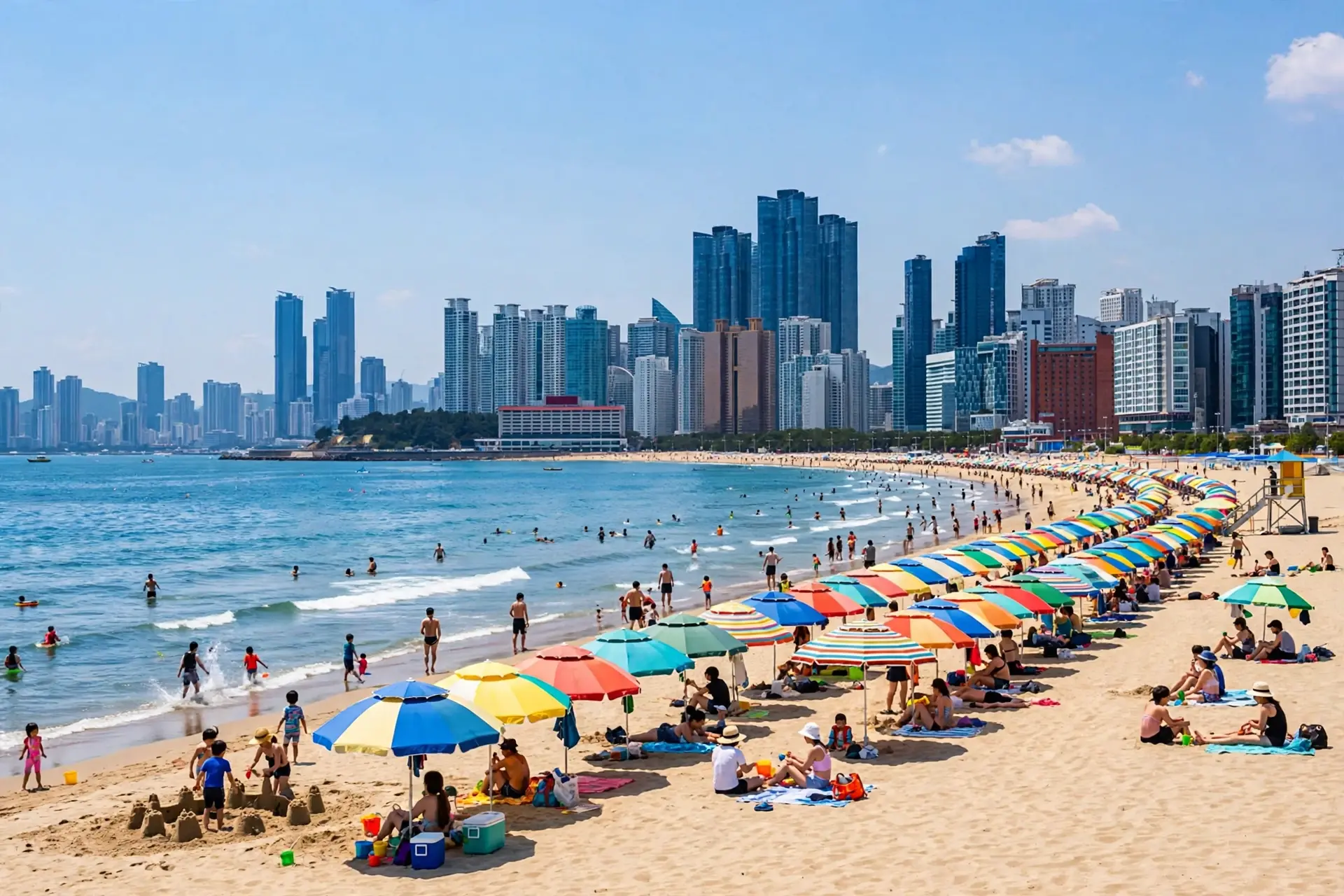
Cards, cash, ATMs and the no-tipping rule — what actually works in Korea.
Read the tips ↓
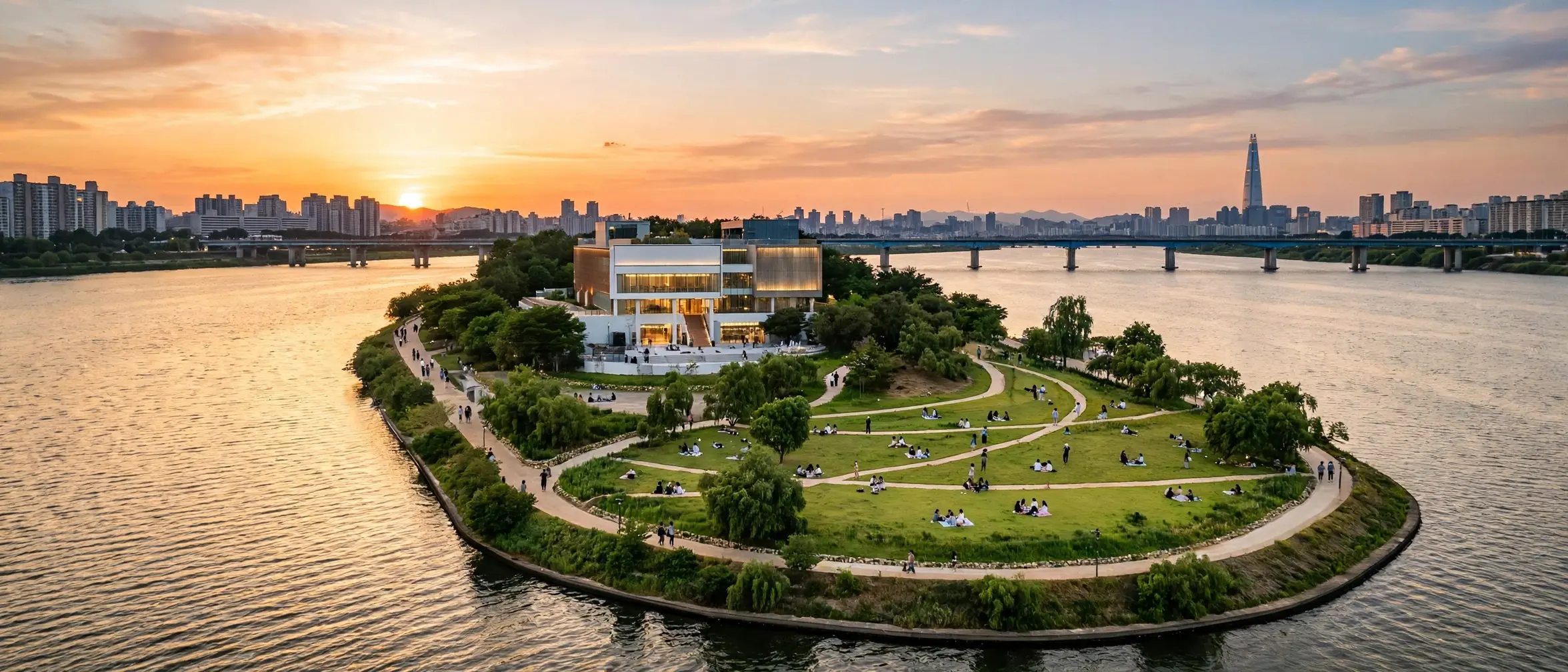
Naver Map, Papago and Kakao T — the three apps that replace Google in Korea.
Read the tips ↓
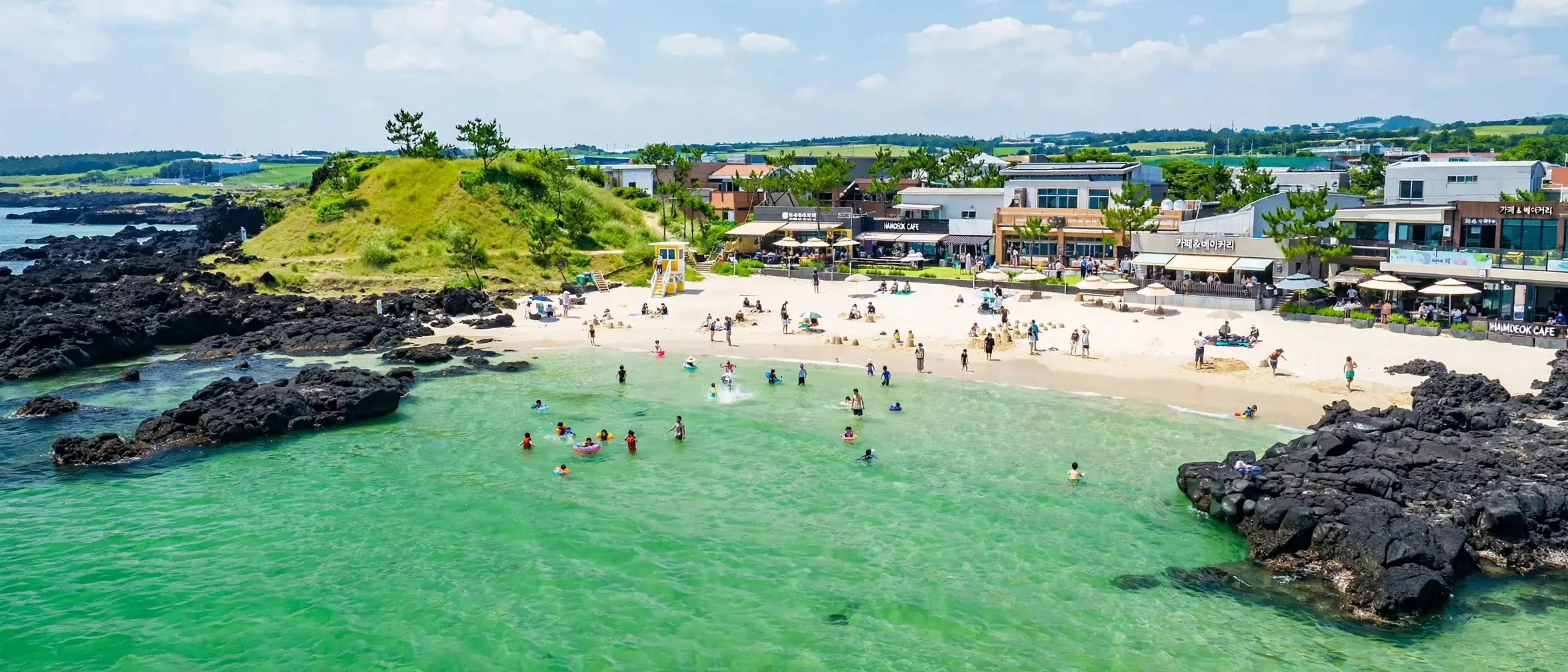
Swim season dates, water temperatures and what monsoon season really means.
Read the tips ↓
Swim zones, parasol rentals and the trash rules every visitor should know.
Read the tips ↓
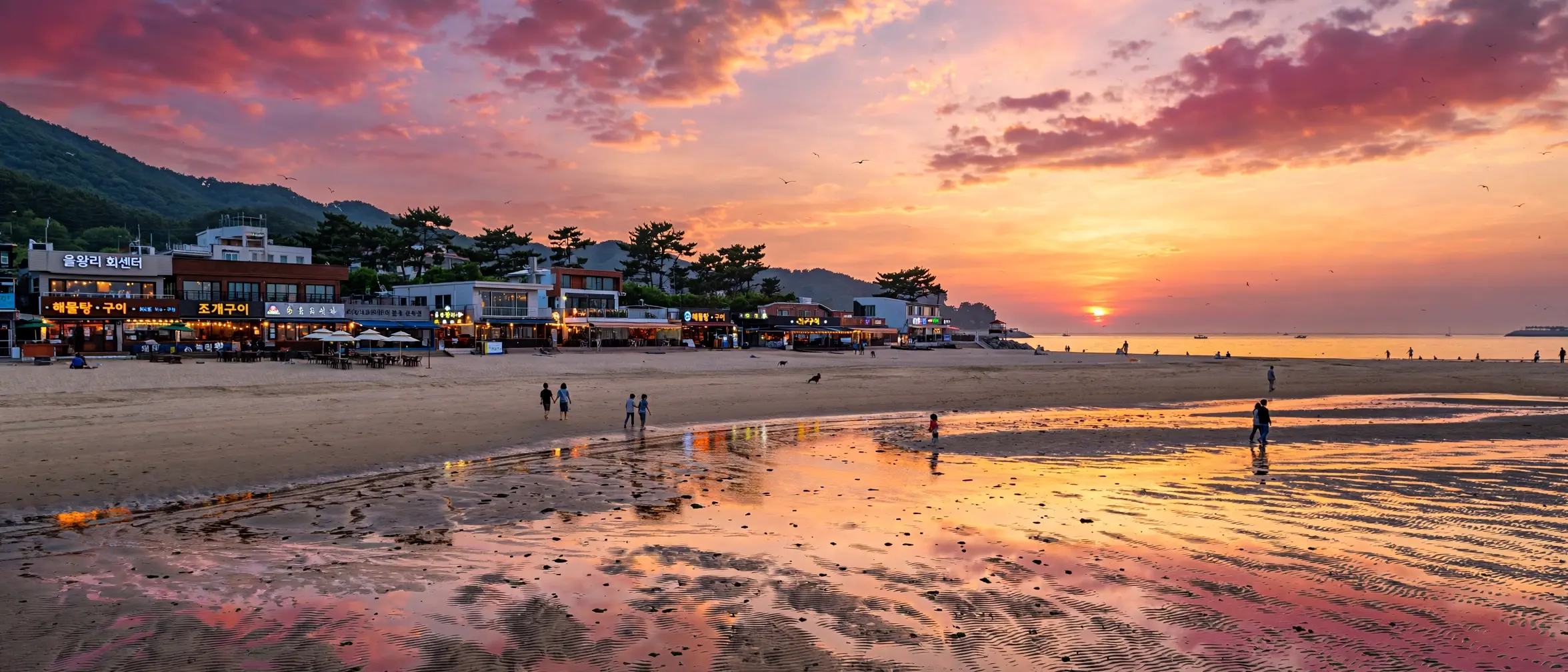
Water shoes, sunscreen and the shoes-off rule — small things that save stress.
Read the tips ↓Korea's transport is fast, cheap and foreigner-friendly — once you know which train, flight or card does what.
Korea is one of the easiest countries in Asia to pay your way through — a card for most things, a little cash for the rest.
Google's tools only half-work in Korea. Three local apps do the job better — and all three work in English.
Read: 6 South Korea Travel Apps →Korean beach weather runs on a short, well-defined season. Time your trip around it and the water is warm and calm.
Korean beaches are orderly and well-run. A few local habits are worth knowing before you put your towel down.
A short packing list covers Korean beaches — plus two customs that catch first-time visitors out.
Every one of these is easy to avoid — once somebody tells you. Consider yourself told.
Walking directions barely work in Korea, so routes look broken or missing. Switch to Naver Map before you leave the hotel.
Mid-August is Korea's peak holiday season too — the big beaches are at their busiest. Go early in the day, or pick a smaller beach.
Outside the official season there are no lifeguards or swim zones, and swimming may be closed entirely. Check before you get in.
Stalls, parasol rentals and transit top-ups still run on cash in plenty of places. A small float of won saves a lot of small headaches.
The next three reads most visitors open after this page.

The full app setup — maps, translation, taxis, trains and payments — in one guide.
Read the guide →
The best areas to base yourself in Busan, Jeju, on the east coast and near Seoul.
See where to stay →
Compare every beach we cover — Busan, Jeju, the east coast and near Seoul.
Explore the beaches →Straight answers to the questions that land in our inbox most often.
No — US passport holders can visit South Korea visa-free for short tourist stays. You may also hear about the K-ETA (Korea Electronic Travel Authorization): its requirements and exemptions have changed more than once, so always check the official K-ETA website before you book, and make sure your passport is valid for your trip.
Korean law restricts how detailed map data can be exported, so Google Maps can't offer full walking or driving directions there. You'll still see places and transit basics, but for door-to-door routes use Naver Map — it's what locals use, and it works in English.
Cards are accepted almost everywhere, so you don't need much: ₩10,000–₩50,000 (roughly $10–$40) covers market stalls, small shops, beach rentals and transit card top-ups. Top up at any convenience store ATM marked for global or international cards.
Usually not as an official swim. Beaches open for swimming from early July to late August, with lifeguards and marked zones; in May and October the water is around 55–65°F (13–18°C) and swimming may be closed. Those months are still great for walking the sand, coastal cafés and sunsets.
Yes. Normal swimsuits — bikinis and swim trunks included — are completely standard at Korean beaches, and tattoos are fine on the sand. Only some bathhouses and saunas have their own cover-up rules, so check locally if you plan a jjimjilbang visit.
No. Tipping is not part of Korean culture and is not expected in restaurants, taxis, cafés or hotels. The price quoted is the price you pay — a polite thank-you is all that's needed.
One printable page with everything on this page turned into tick-boxes: what to book, what to download, what to pack and what to check the week you fly.